Cadence meaning is often confused with speed. Discover what cadence really means in business and how it shapes responses and results.
.png)
Most teams are not struggling with effort or intent. They are struggling with timing. Messages go out, follow ups happen, meetings stack up, yet progress feels uneven and responses slow down without a clear reason.
This confusion usually comes from how cadence meaning is understood inside teams. Cadence is treated as speed or pressure, not as a rhythm that guides communication, decisions, and follow through across real work.
When cadence is misunderstood, even good strategy turns noisy. Getting it right changes how work flows, how people respond, and how momentum builds in a way teams can actually sustain.

Cadence in sales and business communication refers to the rhythm, pattern, and flow of how outreach, follow ups, and conversations occur over time. Its meaning is tied to tempo, frequency, and sequence rather than speed alone.
In modern life, cadence helps a company maintain balance, focus, efficiency, and performance across every account and interaction
What Cadence Means In Business Terms
Cadence is the planned timing of touches that keeps a conversation moving without turning it into noise. It is not a reminder habit, it is a repeatable communication system that supports progress.
Where Cadence Shows Up In Real Work
Cadence is running even when you do not name it. It shows up in how you follow up after a demo, how quickly you respond to questions, and how your team handles stalled deals.
Example
A simple cadence might be a Day 1 email, Day 3 call, Day 5 LinkedIn message, and a Day 8 value follow up, each touch adding one new reason to respond.
What Cadence Is Not
This is where most teams slip, because they confuse cadence with activity.
Why This Definition Matters Before Anything Else
Once cadence is defined this way, you can evaluate whether your current rhythm supports performance and efficiency, or whether it is quietly pulling focus away from the accounts that matter most.
The next part gets specific about the exact misunderstanding that causes most teams to run busy sequences that do not move deals.
Most teams misunderstand cadence because they expect immediate answers, confuse rhythm with pressure, and rely on past habits that no longer fit how work occurs today. Cadence often breaks down in small moments where confusion replaces clarity and tone loses intent.
These misunderstandings shape daily life inside teams without being noticed.
What Teams Think Cadence Is
Many teams treat cadence like a rhythmic sequence you copy, repeat, and push harder when results slow. That mindset turns cadence into pressure management, not communication design.
Where The Misunderstanding Starts
The problem begins the first time cadence is taught as a template instead of a thinking tool. Teams borrow a sequence without understanding why it works, then keep repeating it even when the world changes.
Example
A rep sends five follow ups in eight days because the playbook says so. The buyer needed two days to align internally. The cadence becomes noise, not momentum.
Why This Feels Normal Inside Teams
Cadence mistakes hide because they feel like motion. It is like hearing drums and assuming the song is working, even if the chorus line danced out of sync with the rest of the music. The team feels busy, but the buyer feels pushed.
A Quick Origin Clue That Explains The Confusion
The word cadence traces back through history, including roots tied to Middle English usage. That matters because the original idea points to falling and settling, not constant escalation. The misconception comes from treating cadence as acceleration instead of control.
The next section turns this into business impact, showing how cadence directly shapes response rates, trust, and deal movement.
Cadence directly affects performance, efficiency, focus, and balance across business operations. The right rhythm creates steady movement, preserves momentum, and supports better outcomes without burning teams out.
When cadence is missing, results become inconsistent and effort turns reactive.
Why Cadence Has Real Business Weight
Cadence is not a soft concept. It shapes how work lands, how decisions move, and how teams coordinate across planning, execution, and follow through. In the same way a noun gives language a clear object, cadence gives operations a visible structure people can align around.
What Cadence Improves When It Is Done Right
A strong cadence makes results more repeatable because timing becomes predictable.
Example
A team uses a weekly cadence for pipeline review, deal updates, and next actions. Fewer surprises show up midweek, and decisions stop getting delayed because the right people already know what they need to answer.
Why Cadence Also Shapes Communication Quality
Cadence affects how your message sounds, not just when it is sent. Intonation changes meaning in speech, and timing changes meaning in business.
Even references like Collins English Dictionary and Cambridge University Press frame cadence as a measured pattern, which mirrors how trust is built through consistency.
A Useful Metaphor That Makes This Click
In music, an italian cadenza is a controlled moment of expression inside a larger structure. Business works the same way. Cadence allows flexibility without losing form, so teams can adapt without breaking rhythm.
The next section breaks cadence into types, so you can choose the right pattern for the situation instead of guessing.

Business cadence appears through repeating patterns, sequences, and rhythmic movement in how messages, follow ups, and decisions are spaced. These rhythmic patterns influence perception, responsiveness, and trust.
Understanding cadence types helps teams recognize which sequence they are using and why it works or fails.
Half cadence in business communication creates an intentional pause that signals continuation rather than closure. It leaves conversations open, sets expectation without forcing response, and uses timing to maintain flow.
This type often appears in follow ups designed to keep dialogue alive without pushing for immediate action.
How Half Cadence Shows Up
Half cadence works when you want movement without forcing a decision.
Example
“Happy to send a quick comparison, would next Tuesday or Thursday work to review it?”
Plagal cadence reflects a supportive, reassuring rhythm that reinforces stability and trust. In business, it appears in relationship driven communication where consistency matters more than urgency.
This cadence strengthens tone and voice, helping teams maintain alignment without escalating pressure or disrupting balance.
How Plagal Cadence Shows Up
Plagal cadence fits renewals, customer success, and warm accounts.
Deceptive cadence, sometimes called interrupted cadence, breaks an expected sequence by changing direction unexpectedly.
In business, it often occurs when messaging shifts tone or timing abruptly. While it can regain attention, misuse creates confusion and weakens trust if the pattern feels manipulative or unclear.
How Deceptive Cadence Shows Up
This is a pattern break, used with restraint, especially in your follow-up sequence.
Example
“If this is no longer a priority, I can close the loop, should I?”
Perfect authentic cadence represents a complete end in communication. It signals resolution, clarity, and next steps with confidence.
In business settings, this cadence is used when closing loops, confirming decisions, or finalizing outcomes where certainty matters more than exploration.
How Perfect Authentic Cadence Shows Up
This cadence closes with clarity.
Word cadence focuses on how words, language, prose, and declarative sentences shape tone and voice. It influences how messages sound when read and how intent is perceived.
Strong word cadence improves clarity and reduces friction by aligning sentence structure with communication purpose.
How Word Cadence Shows Up
Word cadence is the quiet multiplier in every message.
The next section helps you choose the right cadence type by funnel stage, so timing and intent stay aligned from first touch to close.
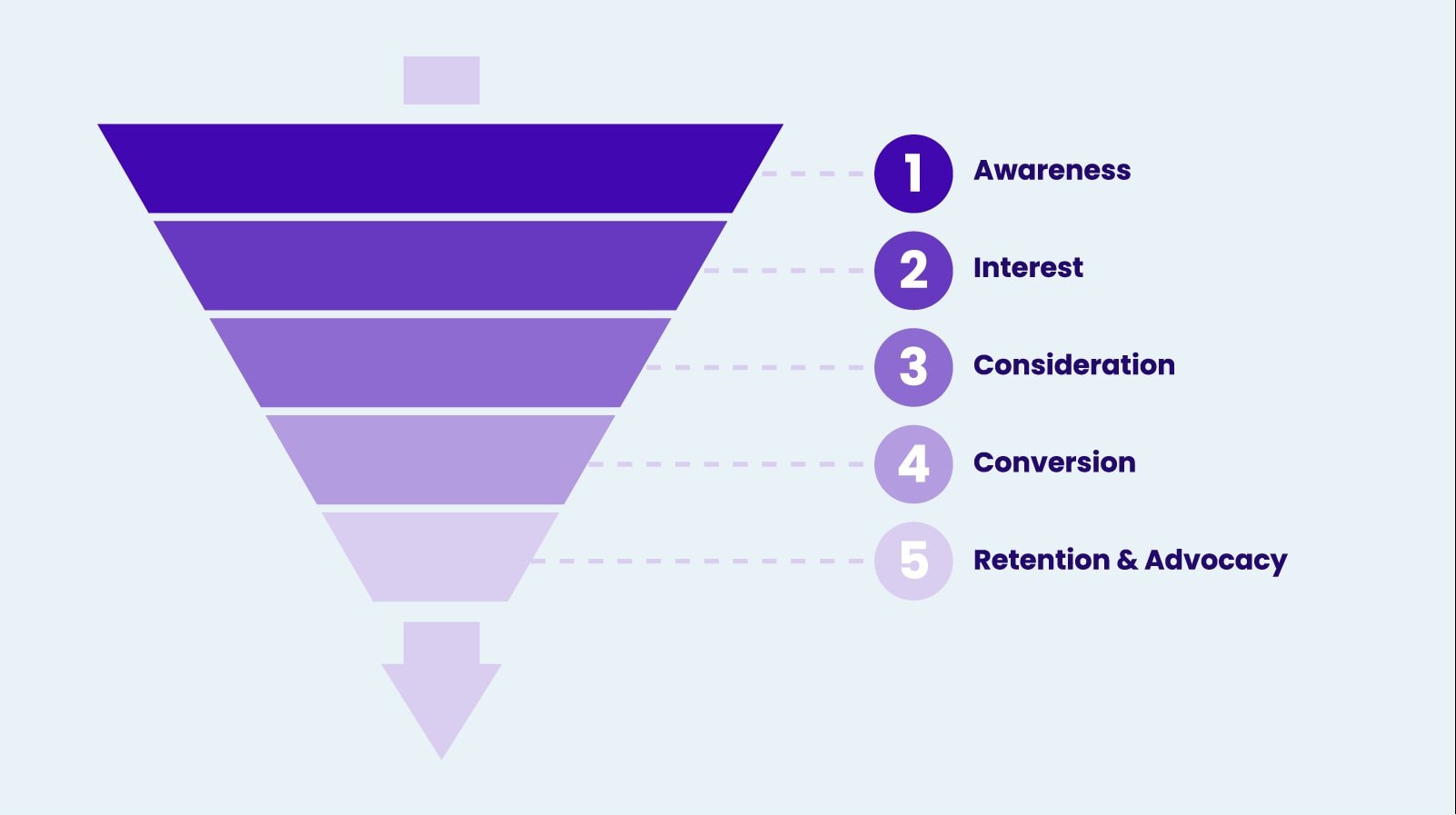
Choosing the right cadence depends on timing, frequency, interval, and sequence across funnel stages. Early moments require balance and spacing, while later stages demand sharper patterns and clearer speed. Matching cadence to stage reduces friction and improves response quality.
1. Map The Funnel Stages You Actually Use
Mapping stages clarifies where each interaction occurs, much like identifying a musical phrase in a larger sequence. Without clear stages, cadence loses definition and timing falls apart, especially in modern life where buyer movement rarely follows a straight line.
What To Capture In Your Stage Map
Example
If “Demo Scheduled” and “Demo Completed” sit in one stage, follow up timing becomes guesswork.
2. Define The Goal For Each Stage
Each stage needs a clear goal to avoid noise. Think of it as defining the line and purpose before sound turns into chaos. Goals prevent cadence from becoming rapid cadence driven by pressure instead of intent.
What A Strong Stage Goal Looks Like
For a deeper understanding of how these steps fit into an effective B2B process, check out The Ultimate Guide To B2B Sales Cycle: How To Set Up An Effective & Profitable Sales Cycle.
3. Match Channels To Stage Intent
Channels should follow intent, not habit. A mismatch creates a frenetic cadence that feels forced. Just as music changes instruments for effect, communication channels must align with where the buyer actually is in the sequence.
Channel Fit Rules That Hold Up
4. Set Follow-Up Spacing And Total Touches
Spacing determines rhythm and flow. Too tight and the cadence feels rushed. Too wide and momentum drops. Like beats in a measure, follow ups need structure so interactions feel natural rather than intrusive.
A Simple Spacing Framework
5. Align Message Cadence With Buyer Readiness
Buyer readiness changes how cadence should sound. Early messages resemble free verse while later ones require tighter form. Aligning cadence avoids abrupt falls in engagement and keeps communication responsive to real buyer signals.
What To Align In Each Message
6. Add Simple Exit Rules To Avoid Over-Following
Exit rules protect trust. Without them, cadence turns repetitive, like repeating the same chorus line without variation. Clear stop points preserve tone and prevent sequences from becoming exhausting for both teams and prospects.
Exit Rules That Keep Cadence Clean
Example
One clean “Should I close the loop for now?” protects the relationship and saves time.
7. Adjust Cadence By Deal Size And Sales Cycle
Large deals need slower, deliberate movement. Smaller deals allow quicker tempo. Adjusting cadence respects balance and prevents forcing speed where patience is required, similar to how pitch and timing change across different musical styles.
What Changes With Deal Size
8. Track Reply Rate And Conversion By Stage
Tracking replies reveals where cadence actually works. It answers where communication occurs smoothly and where it breaks. These moments show whether cadence supports progress or interrupts the natural flow of decision making.
What To Track Per Stage
9. A/B Test One Variable At A Time
Testing one variable keeps results clear. Changing multiple elements creates confusion, like altering chords and tempo together. Isolating variables ensures cadence adjustments are intentional rather than accidental experiments.
Good One Variable Tests
10. Review And Refresh Cadences Monthly
Cadence should evolve with life and business conditions. Regular reviews prevent outdated patterns from lingering. Refreshing cadence keeps rhythm aligned with how buyers currently respond, not how they responded in the past.
What To Refresh Monthly
The next section turns these choices into a build process, so your business cadence is designed on purpose, not patched together.
Building a business cadence means creating structure around rhythm, flow, tempo, and movement rather than reacting to noise. It involves deciding how sequences form, how timing supports clarity, and how cadence is measured over time
Every cadence needs a defined outcome to avoid drifting. Without it, communication lacks a complete end and continues endlessly. Outcomes give cadence meaning and prevent sequences from feeling unresolved or repetitive.
How To Define Outcomes That Work
Cadence works only when matched to audience and trigger. A trigger defines when communication occurs, much like a cue in music. Missing this creates mistimed outreach that feels disconnected from real buyer context.
Trigger Clarity Checklist
Example
A pricing request is a trigger. It needs faster timing and tighter clarity than a first touch.
Channel mix shapes how cadence is perceived. Email, calls, or apps each carry different tone and rhythm. Selecting the right mix ensures cadence sounds intentional rather than scattered across disconnected touchpoints.
Touch Mix That Stays Coherent
Duration sets expectation. Too many touches stretch cadence beyond usefulness. Too few weaken impact. Like defining verse length, this structure keeps cadence efficient and prevents overuse.
How To Set Duration Without Guessing
Spacing controls flow. Consistent intervals create predictability and trust. Random spacing breaks rhythm and reduces clarity, much like uneven measures disrupt musical continuity.
Simple Spacing Rules
Messages should change by stage. Repeating the same prose dulls impact. Stage based writing ensures cadence evolves, keeping language relevant and aligned with buyer progress.
What To Vary By Stage
Personalization adds human voice to cadence. Without it, messages feel generic. Simple rules help language reflect context while preserving structure, preventing cadence from sounding automated or hollow.
Personalization That Scales
Clear ownership prevents cadence gaps. When responsibility is unclear, follow ups occur late or not at all. Defined roles keep cadence moving smoothly instead of stalling mid sequence.
Ownership Rules That Prevent Drift
Stop and handoff rules prevent endless pursuit. They define when cadence ends or shifts ownership. This clarity avoids repetitive cycles and preserves trust when engagement naturally concludes.
Rules That Keep Cadence Clean
Iteration keeps cadence relevant. Tracking results reveals what works and what no longer fits. Regular adjustment prevents patterns from hardening into habits that no longer serve performance.
What To Review Every Cycle
The next section shows the most common cadence mistakes that quietly kill replies and trust, even when the message itself looks fine.
Cadence mistakes often show up as noise, confusion, or inconsistent tone that breaks focus. When patterns lack purpose, expectations weaken and sense of direction disappears. These errors quietly erode trust and reduce replies without obvious failure points
Repeated follow ups without value flatten cadence. Like repeating the same phrase, it adds noise instead of progress. Over time, this erodes attention and damages perception.
What To Do Instead
Example
Instead of “checking in,” send a two line update, “Here is the comparison sheet, want option A or B?”
Random timing disrupts rhythm. When touches occur unpredictably, cadence loses structure. This inconsistency weakens trust and makes communication feel careless rather than intentional.
What To Do Instead
Uniform messaging ignores context. Buyers at different stages expect different tone and content. Ignoring this turns cadence rigid and disconnected from actual buyer needs.
What To Do Instead
Using channels without intent fragments cadence. Messages feel scattered, like mismatched notes. Each channel should serve a role within the sequence to maintain coherence.
What To Do Instead
Unclear next steps leave cadence unresolved. Without direction, conversations stall. Clear next actions give cadence closure and help communication move forward smoothly.
What To Do Instead
Example
“Should we review this in 15 minutes on Wed 11 or Thu 4, then decide Friday?”
Without stop rules, cadence becomes endless. This creates fatigue and frustration. Clear endings protect relationships and prevent communication from turning into unwanted persistence.
What To Do Instead
The next section focuses on measurement, so you can spot which touches build momentum and which ones quietly slow deals down.
Cadence performance is measured through frequency, efficiency, outcomes, and results rather than activity alone. Tracking how patterns perform over time reveals where rhythm supports progress or creates friction. Measurement turns cadence into an adjustable system instead of a fixed habit.
Each stage needs one clear metric. Tracking everything creates confusion. A single focus reveals whether cadence supports movement or causes friction.
How To Pick The Right Metric
Replies show real engagement. Opens and clicks measure exposure, not intent. Reply tracking reveals whether cadence resonates or simply passes unnoticed.
What To Track Inside Replies
Example
If opens rise but replies fall, timing and relevance need adjustment, not more touches.
Conversion shows how cadence influences progression. Measuring gaps between touches highlights where momentum slows or accelerates within the sequence.
Useful Conversion Checks
Channel level analysis shows where cadence performs best. Each channel carries different rhythm and tone, affecting how messages land.
Channel Breakdown That Actually Helps
Single variable testing keeps learning clean. Multiple changes blur cause and effect. Controlled testing ensures cadence improvements are deliberate.
High Impact Variables To Test
Pruning weak touches strengthens cadence. Removing noise improves efficiency and allows focus on interactions that actually move conversations forward.
How To Spot Low Value Touches
Regular reviews keep cadence aligned with reality. Weekly checks catch early issues. Monthly refreshes prevent outdated patterns from limiting performance.
A Simple Review Rhythm
The next step is turning these insights into a repeatable cadence playbook your team can run without losing consistency or intent.
Most teams do not need more messages, tools, or urgency. They need clearer timing and more deliberate structure. When cadence is treated as a system rather than a habit, communication becomes easier to manage and results become easier to predict.
Understanding cadence meaning shifts how teams plan, follow up, and close loops. It replaces guesswork with intention and turns scattered effort into steady progress that holds up under real business pressure.