Speeds dropped? This guide explains the true FUP meaning, why unlimited isn’t unlimited, and how fair usage policy affects performance behind the scenes.
.png)
Your internet feels fast one moment, then suddenly slows down without warning. Nothing changed on your device, yet pages load slower and videos drop in quality. That shift is not random, and it is not a network accident.
This is where the FUP meaning matters. Fair usage policy is the quiet rule that steps in when usage crosses an invisible line, protecting shared access while limiting how speed is distributed.
Understanding this rule explains why speed drops happen, how limits are applied, and what actually changes behind the scenes when usage grows.
Fair usage policy exists to protect fair share when many users rely on the same data capacity and network resources. Without responsible usage, individual users can dominate access and reduce availability for others.
FUP creates balance so shared systems remain usable for everyone.
What This Looks Like in Real Systems
Fair usage policy is a fairness mechanism for shared access. It sets clear boundaries so network resources stay available for many users, not just the heaviest individual users.
How FUP Policies Show Up in Everyday Use
FUP policies usually appear as thresholds that change how access is handled. The goal is continuity for many users, not punishment for a single user.
Example
A shared network stays stable when one user who downloads massive files all day does not quietly consume the same data capacity meant for many users.
Once you see FUP as a way to protect fair access, the next step is understanding what happens when usage crosses the line and the system responds in real time.
Unlimited plans without controls invite excessive usage, misuse, and network abuse on the same line. Excessive bandwidth consumption by a few can strain systems and degrade reliability for others. When unlimited is unmanaged, fairness breaks down quickly.
Understanding these risks clarifies why boundaries are necessary before performance and trust erode.
Where “Unlimited” Breaks Down in Practice
Unlimited plans work only when most people behave within a normal range. When a small group pushes extreme usage, the same line starts carrying more load than it can handle, and the experience becomes uneven for everyone else.
What Uncontrolled Unlimited Usage Usually Triggers
Example
In a shared network, one account running constant high-volume transfers can consume enough capacity to slow down dozens of other users, even if everyone is technically on unlimited plans.
Why Boundaries Protect Trust
People do not lose trust when limits exist, they lose trust when performance becomes unpredictable. Clear boundaries keep fairness intact and make system behavior feel consistent instead of arbitrary.
The next step is getting specific about what is being measured, because limits only make sense when data usage and data limits are clearly defined.
Data usage, internet usage, and internet consumption determine how much data moves through a system. Data limits exist because data capacity is finite, not abstract. Concepts like data cap and data cap resets help structure usage within a limited amount over time.
This section explains how measurement shapes enforcement decisions.
What “Usage” Actually Measures
Usage is a record of activity, not a judgment. Data usage reflects what moves across a system, internet usage shows how frequently the connection is consumed, and internet consumption captures the real volume of demand placed on shared capacity.
How Data Limits Create Structure
Data limits turn raw activity into a framework that can be managed.
Example
If a service tracks internet consumption across a fixed period, data cap resets make it possible to compare like for like behavior and enforce limits consistently, even when daily usage swings.
Once measurement is clear, the next question becomes what those limits do to the real experience, especially when speed, cost, and stability start reacting to demand.
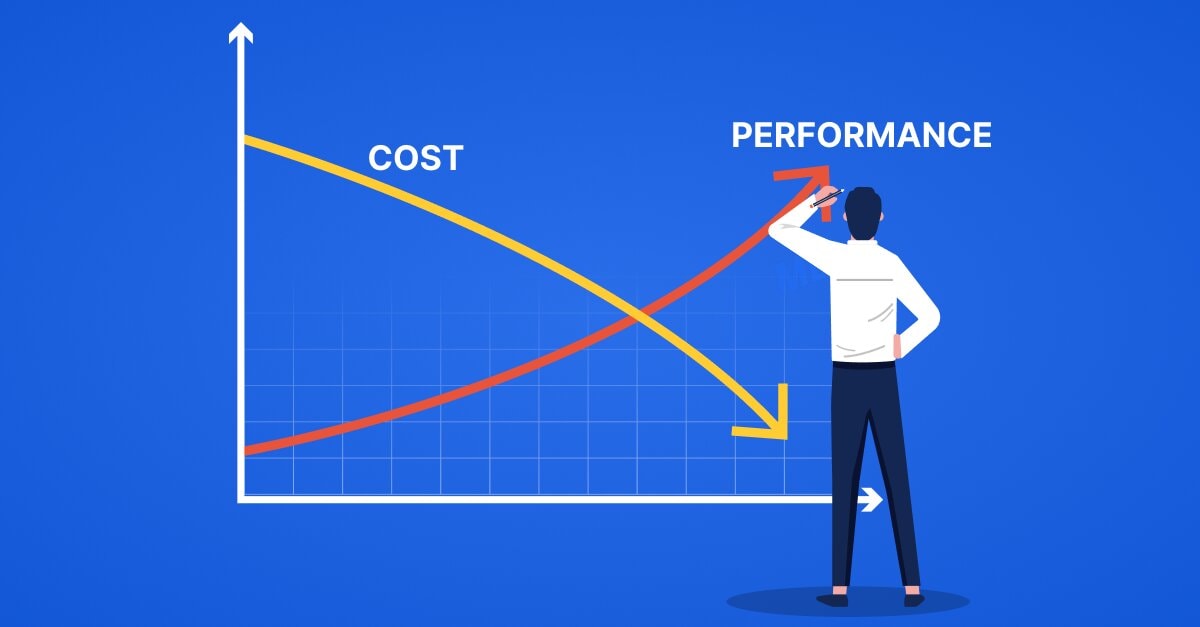
Uncontrolled usage leads to network congestion, unmanaged network traffic, and pressure during peak usage times.
These conditions reduce service quality and affect other users sharing the system. Managing network traffic is essential to keep performance predictable and costs sustainable.
How Performance Gets Hit First
Performance drops when network traffic becomes uneven. A small number of high-volume sessions can raise network congestion, especially during peak usage times, and the impact spreads fast because other users share the same paths and capacity.
Why Cost Rises Even When Nothing “Breaks”
High usage pushes systems to operate at the edge. That can mean higher provisioning, higher transit costs, and more support load, even if service quality looks fine on average. Managing network traffic keeps capacity planning grounded in real patterns.
What Stability Looks Like With FUP in Place
System stability is not about blocking usage. It is about keeping network congestion predictable so other users are not punished by someone else’s peak demand.
Example
During peak usage times, a handful of users running constant high-volume transfers can distort network traffic enough to slow down hundreds of normal sessions, even when the system stays technically online.
Once you can see how congestion, cost, and stability connect, it becomes easier to understand the controls that apply thresholds and monitoring in a consistent way.
FUP rules rely on defined thresholds tracked across a billing cycle. Clear signals around what FUP defines, what FUP ensures, and where FUP stands allow consistent enforcement. Monitoring supports policy clarity without constant intervention.
How Thresholds Create Predictable Enforcement
Thresholds turn usage into a clear signal. They make rules measurable within a billing cycle, so the same behavior triggers the same response across users and time.
What Monitoring Is Really Doing
Monitoring is not surveillance, it is a control system that keeps policy accurate. It verifies that enforcement is tied to real usage and not assumptions.
Example
If usage spikes heavily in the first week of a billing cycle, monitoring can confirm whether that pattern is consistent or a one-time event, so enforcement stays proportional.
Once thresholds and monitoring are clear, the next piece is understanding what users actually feel when the system responds after usage crosses the line.
When usage reaches zero or an FUP limit is crossed, reduced speed and post FUP speeds reshape how services behave. Video quality drops, large files become harder to handle, and throttling may apply after limits are exceeded.
These outcomes explain the real experience users notice after thresholds are passed.
What Changes First in Day-to-Day Use
The system response is gradual and practical. Access continues, but the experience shifts as priorities change.
How This Feels Across Common Activities
Most everyday tasks still work, just with different expectations. Browsing and messaging remain usable, while data-heavy actions slow to preserve balance for other users.
Example
A user can still stream content after crossing an FUP limit, but the platform lowers video quality so playback remains stable without consuming excessive bandwidth.
Once the experience shift is clear, the next step is understanding how these rules are designed differently across business models that share resources in distinct ways.

Fair usage policy adapts across subscription, pay as you go, freemium, usage based pricing, enterprise contracts, platforms, APIs, and infrastructure sharing. Subscribers, purchases, peers, apps, and bandwidth needs vary by model.
Design choices depend on how same data capacity is shared.
Subscription-based models rely on predictable usage across many users sharing the same data capacity. Fair usage policy helps balance access so subscribers receive consistent service quality without heavy users consuming excessive bandwidth over the same line.
What the Policy Usually Prioritizes
Pay-as-you-go models link usage directly to purchase behavior and data capacity. Fair usage policy prevents misuse while allowing flexibility, ensuring network resources remain available without encouraging excessive usage that could impact other users.
What the Policy Usually Prioritizes
Freemium models depend on limited access and controlled internet consumption. Fair usage policy defines how much data is available at each tier, protecting service quality while guiding users toward responsible usage or paid upgrades.
What the Policy Usually Prioritizes
Usage-based pricing ties cost to internet usage and bandwidth consumption. Fair usage policy ensures data limits align with data capacity so pricing remains fair without creating network congestion during peak usage times.
What the Policy Usually Prioritizes
Enterprise contracts manage large subscribers and shared network resources. Fair usage policy supports predictable service delivery by controlling excessive bandwidth use while maintaining service quality across peer teams and connected systems.
What the Policy Usually Prioritizes
Platforms and marketplaces host many users, apps, and services on shared infrastructure. Fair usage policy limits network abuse and excessive usage so access remains stable for customers relying on the same data capacity.
What the Policy Usually Prioritizes
API-driven services consume bandwidth continuously through apps and integrations. Fair usage policy defines acceptable usage thresholds, preventing misuse while allowing developers to scale responsibly without degrading service quality.
What the Policy Usually Prioritizes
Infrastructure and resource sharing environments depend on the same data capacity across multiple users. Fair usage policy ensures fair share of network resources so performance remains consistent even as demand increases.
What the Policy Usually Prioritizes
Example
An API product may enforce request thresholds, while a platform may prioritize fairness by balancing bandwidth across many users, even though both rely on the same data capacity.
Once the model-driven design is clear, the next step is seeing how businesses keep customer experience intact while these rules operate in the background.
Balancing fair use policy with customer experience requires careful handling of service expectations, customer trust, and necessary restrictions.
Businesses must protect systems without making users feel penalized. Clear boundaries help maintain consistency while preserving satisfaction.
What Customers Expect When They Hear “Fair”
Customers accept limits when the logic is clear and the service stays dependable. The experience feels fair when restrictions are predictable, proportional, and applied consistently across users.
How Good Policies Protect Experience While Still Enforcing Rules
Example
A platform can lower non-essential speeds after a threshold while keeping basic service stable, so customers still complete important tasks without feeling blocked.
Where Trust Breaks and How to Prevent It
Trust breaks when policy feels hidden. Clear boundaries, clear timing, and consistent enforcement keep customers focused on outcomes, not suspicion.
With experience protected, the next step is spotting the signals that show the policy is no longer working as intended.
When misuse increases, network congestion grows, and service quality declines, policy effectiveness weakens. These signs indicate the system is no longer protecting shared access as intended. Recognizing early signals prevents deeper disruption.
Operational Signals That Show the Policy Is Slipping
A working fair usage policy stays mostly invisible. Problems show up when patterns start dominating capacity and outcomes become inconsistent.
Example
If the same misuse pattern keeps returning after each adjustment, the policy is reacting to symptoms rather than changing the incentive structure behind the behavior.
Why Early Signs Matter
Small shifts compound fast in shared environments. When service quality declines and congestion becomes normal, trust erodes and costs rise at the same time.
Once the signals are clear, the next step is reviewing usage patterns and tightening enforcement so the policy becomes stable again.
Reviewing internet usage patterns, excessive usage, and data capacity assumptions helps refine limits. Adjustments to network resources and restrictions must be tested against service quality. Clear communication from the provider ensures alignment.
Reviewing internet usage patterns helps identify when data limits or fup limits are crossed. This step reveals excessive usage trends that affect service quality and strain network resources over a billing cycle.
What to Review
Heavy users and edge cases often drive network congestion. Identifying excessive bandwidth consumption helps prevent misuse and protects other users sharing the same line and data capacity.
What to Look For
Example
If a small set of heavy users triggers most congestion events, limits may be correct but enforcement timing may be late.
Revalidating data usage assumptions ensures data limits align with real internet consumption. This step confirms whether current fup rules reflect how much data users actually need.
What to Confirm
As usage grows, fup limits must reflect changing data capacity and network resources. Adjustments prevent service quality issues while supporting many users during peak usage times.
What to Adjust
Testing helps measure reduced speed, post fup speeds, and overall service quality. This ensures fair usage policy changes do not negatively affect customers or internet speed expectations.
What to Measure
Example
If post fup speeds support browsing but break video calls, the policy may need tiered handling rather than a single reduction.
Updating fup rules and enforcement triggers ensures consistency. Clear definitions around what fup defines and what fup ensures reduce confusion and support responsible usage.
What to Document
Clear communication helps users, customers, and providers understand data limits, restrictions, and billing cycle changes. Transparency reduces frustration when usage thresholds are enforced.
What to Communicate
Ongoing monitoring of network traffic and internet usage helps detect early signs of network congestion. Iteration keeps fair usage policy effective as usage patterns evolve.
What to Track
Once the policy is reviewed, adjusted, and communicated clearly, misconceptions become easier to spot because real behavior lines up with what the policy actually does.
Fair usage policy is often mistaken for a data cap, unlimited restriction, or a tool that harms service quality. Assumptions around data cap resets, managing network traffic, and scope across internet service providers, broadband provider lines, and mobile operators create confusion.
Fair usage policy does not automatically impose hard cutoffs. It often manages reduced speed or post fup speeds rather than blocking access when data limits are reached.
What This Misconception Misses
Unlimited plans still rely on fair usage policy to prevent excessive usage. Without controls, unlimited access can lead to network abuse and degraded service quality for other users.
What This Misconception Misses
Example
A plan can be unlimited for normal usage, but repeated high-volume transfers can still trigger controls to protect shared performance.
Fair usage policy applies across many users, not just heavy users. It protects fair share of network resources so individual users do not impact others on the same data capacity.
What This Misconception Misses
While cost matters, fair usage policy also manages network traffic and service quality. It balances internet consumption with data capacity to maintain reliable access.
What This Misconception Misses
When designed well, fair usage policy protects service quality. It prevents network congestion and ensures internet speed remains stable for most users.
What This Misconception Misses
Fair usage policy differs from a strict data cap. It often allows continued access with reduced speed rather than stopping service entirely after data cap resets.
What This Misconception Misses
Fair usage policy extends beyond internet service providers and broadband providers. It also applies to platforms, mobile operators, and shared digital services.
What This Misconception Misses
With misconceptions cleared, the next step is using fair usage policy deliberately, so it supports sustainable growth instead of reacting to problems after they appear.
Using fair usage policy for growth means aligning network resources, fair share, and individual users with responsible usage. Data capacity planning, internet plan design, and traffic management support scale without sacrificing service quality.
Aligning fair usage policy with growth goals ensures network resources scale predictably. This approach supports expansion without compromising service quality or fair access.
How to Apply It
Defining fair share principles clarifies how access is distributed among individual users. Clear rules prevent misuse and support responsible usage from the start.
How to Apply It
Segmenting users by internet usage and intent allows tailored data limits. This approach protects service quality while supporting diverse customer needs.
How to Apply It
Usage incentives encourage responsible usage without heavy restrictions. This balances internet consumption and data capacity while improving customer experience.
How to Apply It
Example
A plan can encourage off-peak heavy activity through pricing and packaging, which supports data capacity without relying on strict enforcement.
Usage tiers help manage data capacity and bandwidth as demand grows. Predictable scaling prevents network congestion during peak usage times.
How to Apply It
Integrating fair usage policy into pricing and internet plans aligns cost with usage. This approach supports transparency and sustainable service delivery.
How to Apply It
Fair usage policy data informs infrastructure planning by revealing network traffic patterns. This helps providers allocate network resources efficiently.
How to Apply It
When used correctly, fair usage policy supports sustainable growth. It protects service quality, fair access, and long-term reliability without limiting innovation.
How to Apply It
With growth framing in place, the next step is answering the practical questions readers still carry, especially around limits, timing, and real-world plan behavior.
Fair usage policy works the same way for both. The difference is delivery, not rules. An eSIM plan applies limits through software profiles, while traditional mobile access relies on a physical SIM. Usage thresholds, reduced speeds, and prioritization behave the same once limits are reached.
Short spikes usually do not trigger action. Fair usage policy looks for sustained patterns, not brief bursts. High speed data is affected only when repeated or prolonged usage begins to impact shared capacity and other users.
The rules usually stay fixed within a billing cycle, but enforcement can respond dynamically. If usage crosses defined thresholds mid-cycle, the system can adjust speeds or priorities without changing the policy itself.
Yes, in structure, not principle. Business users often receive higher thresholds or more predictable handling, while consumer users follow standardized limits. In both cases, the goal remains protecting shared access and service quality.
It is primarily about predicting demand. By understanding usage patterns, the system can respond proportionally. Behavior changes naturally follow when limits and outcomes are predictable.
A fair usage policy works best when it is understood before it is felt. Once you recognize the FUP meaning, you can read plans more clearly, set realistic expectations, and choose services that match how you actually use data.
Pay attention to limits, patterns, and transparency, because informed choices keep performance stable long after the speed drop would have caught you by surprise.