Tired of generic email openers? Explore 50 alternative to hope you are doing well used by top CEOs in real professional communication.
.png)
In leadership emails, the opening line often determines whether the message is read immediately, skimmed later, or silently ignored. That decision happens before the subject line is reconsidered or the sender name is processed.
“Hope you’re doing well” appears polite, but in executive communication it usually signals that the message was written without context. It gives no clue about timing, relevance, or why the reader should care right now. Learn more about ecommerce email templates to improve your executive email communications.
This breakdown of 50 Alternative To Hope You Are Doing Well Used By Top CEOs focuses on how senior leaders open emails when clarity, intent, and credibility matter more than courtesy alone.
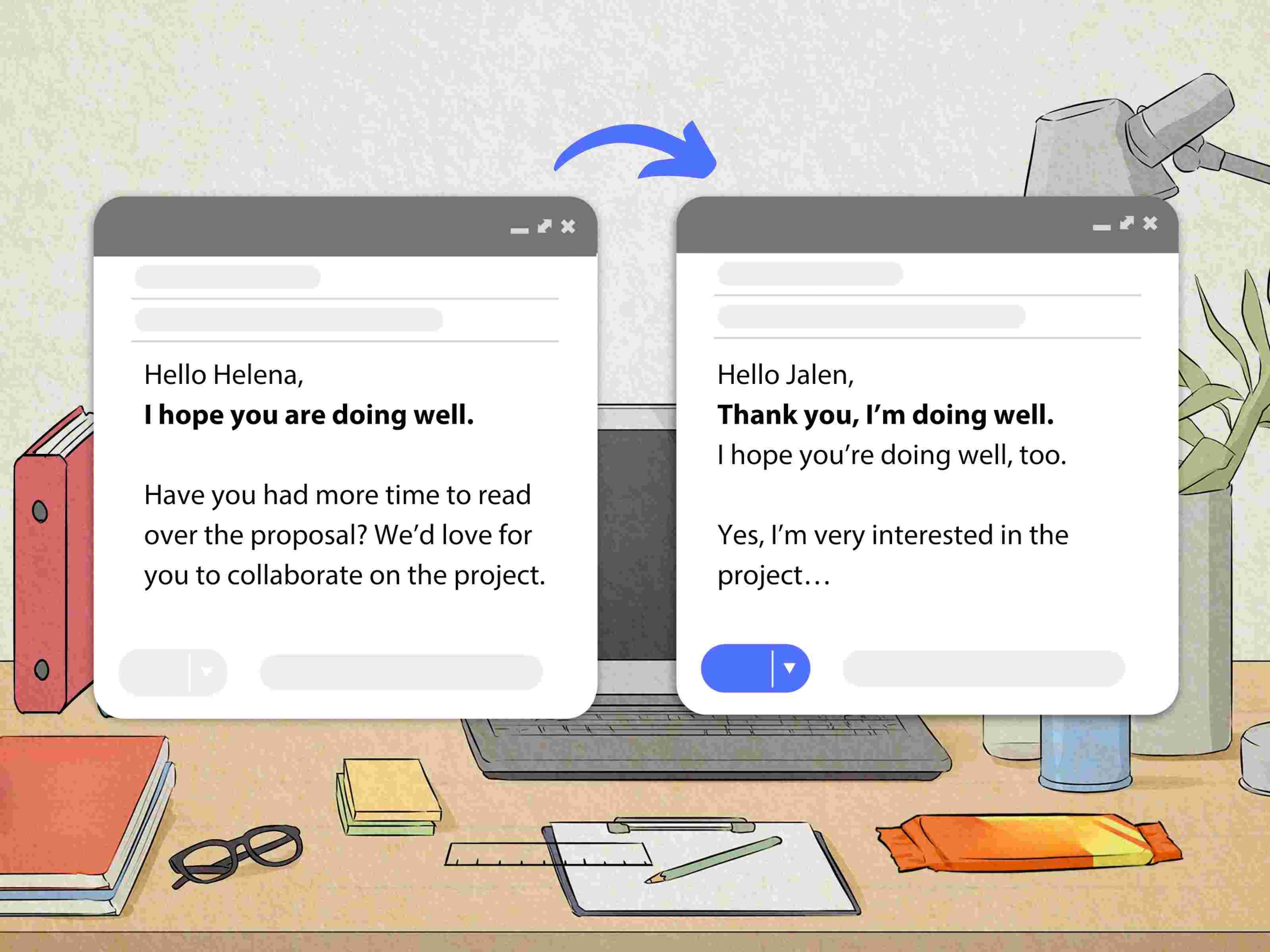
“Hope you’re doing well” began as a polite greeting rooted in good health, well being, and well wishes. Over time, the same sentiment turned into a polite phrase people use automatically. While grammatically correct, it often feels like a friendly expression without meaning
Attention Impact
Context Awareness
Example:
Warm greetings like “Hope things are going smoothly on your end” feel more intentional, especially when referencing a project or recent event. It subtly shows attention to context without sounding generic.
Reader Engagement — See our 9-point checklist for writing effective status update emails to increase engagement in your communications.
Professional Consequences
This understanding of how generic greetings affect attention and engagement sets the stage to explore the alternatives leaders use to command clarity from the very first line.
In professional communication, overused email greetings weaken professional emails by blending into the inbox. When every message opens the same way, recipients stop paying attention, skim the message, and feel their time is not respected.
In email communication, repetition dilutes tone and impact. These risks become clearer when each consequence is viewed on its own.
1. Reduced Email Engagement And Replies
When readers stop paying attention, engagement drops quickly. Generic openings make emails blend into the inbox, causing people to skim instead of respond. Over time, this reduces replies because the message fails to signal relevance or urgency to the recipient.
2. Weakened Professional Communication Tone
Overused phrases flatten tone and weaken professional communication. What begins as a polite phrase slowly loses impact, making messages feel routine instead of intentional. Tone matters because it shapes how seriously the message is taken.
3. Loss Of Personalization And Context
Without context, greetings feel detached from the situation. Readers miss cues about why the message matters, who it is for, and what prompted it. This gap reduces clarity and makes communication feel disconnected from the actual conversation.
4. Generic First Impressions In Professional Emails
First impressions rely heavily on the opening line. When greetings repeat the same wording, professional emails lose distinction. The message feels interchangeable, making it harder for the reader to remember who sent it or why it matters.
5. Lower Credibility With Senior Stakeholders
Senior readers value clarity and respect for recipient's time. Overused openings can appear careless, especially when an urgent request or important update follows. Credibility weakens when the greeting does not match the importance of the message.
6. Message Fatigue In Ongoing Email Threads
Repeated greetings in long threads create fatigue. Readers expect progression, not repetition. When every reply restarts the same way, it slows momentum and distracts from the actual discussion taking place.
7. Missed Opportunity To Reference Company Name Or Context
A greeting is a chance to anchor the message. Skipping context or a company name removes useful signals. Readers lose orientation, especially when juggling multiple conversations across teams and organizations.
8. Emails Being Skimmed Or Ignored
When messages sound familiar, readers skim. Skimming increases when the opening fails to stand out or guide focus. This behavior reduces comprehension and causes important details to be missed entirely.
9. Reduced Trust In Cold Or First-Time Outreach
In cold emails, trust depends on relevance. Generic openings signal mass sending rather than intention. Without early clarity, recipients hesitate to engage, respond, or even read beyond the first line.
10. Diluted Brand Voice Across Professional Emails
Repeated phrasing erodes voice consistency. Instead of reinforcing identity, messages sound copied. Over time, this weakens how the brand is perceived across professional communication channels.
Better alternatives depend on intent, not creativity. A friendly way to open a cold email differs from how you write to colleagues, clients, or during a good week exchange. Alternatives to hope should match tone, timing, and context while keeping a positive tone.
This section organizes other ways to open emails by real use cases.
Cold emails work best when they explain clearly why you are writing and why the recipient should care. A direct, respectful opening helps them sort relevance quickly instead of guessing your intent. These lines keep the focus on purpose and fit.
Best Alternatives
Follow-up emails should remind the reader what you discussed and why it still matters. A clear reference to the earlier conversation makes the email easy to place in their mind. These lines keep continuity strong without sounding pushy or repetitive.
Best Alternatives
Client and stakeholder emails work best when they show control, clarity, and respect for outcomes. A focused opening that orients them to the project or deliverable saves time and builds trust. These lines frame your message as organised and relevant.
Best Alternatives
Internal emails should reduce friction, not add it. A direct opening helps colleagues understand what changed, what matters now, and where to focus. These lines support quick alignment so the team can act instead of searching for context.
Best Alternatives
When there has been a long gap, the opening line should acknowledge time and reset context. A simple reference to your last interaction makes the email feel grounded, not sudden. These lines help you reconnect without sounding awkward or apologetic.
Best Alternatives
Sales and outreach emails need a specific reason to be worth reading. A strong opening links what you offer to something real in the recipient’s world. These lines show you have done your homework and are not sending a generic pitch.
Best Alternatives
Reminders should be calm, specific, and respectful of the recipient’s schedule. A good opening assumes good intent and simply brings the item back into view. These lines keep the relationship intact while moving the work forward.
In an active thread, the opener should keep momentum, not restart the conversation. A clear link to the last message shows you are listening and moving things along. These lines help anchor decisions and next steps without repeating what everyone knows.
Best Alternatives
Executives read for signal, not style. The opening line should show what this email is about and what decision or awareness it requires. These lines respect their time, surface the stakes, and make it easy to scan for the core point.
Best Alternatives
Semi-formal emails balance warmth with clarity. The opener can feel friendly without losing focus on work. These lines keep the tone human, acknowledge shared context, and still make it clear why you are writing now.
Best Alternatives
These alternatives show how the same message can land very differently when the opening line matches the intent behind the email.
The next step is learning clear, simple steps to choose the right greeting for each context so your emails stay consistent, intentional, and easy to act on.

Choosing the right email greeting requires attention to context, work setting, and relationship. A formal note to business partners differs from a message to colleagues or a client you know well. Personal signals, interest, and showing interest must align with recipient expectations.
These steps focus on how situational awareness guides better choices.
1. Start With Who You Are Writing To
Think first about the person, not the phrase. A senior recipient, close colleague, new client, or long-term partner each expects a different start.
2. Match The Greeting To The Work Setting
The work setting shapes tone. Internal emails inside a small team feel different from formal messages in large organizations or cross-company projects.
3. Use Timing And Situation As A Guide
Timing tells you how to open. A routine update, urgent change, or follow-up after a long gap all call for different greetings.
4. Align The Greeting With The Subject Line And Main Message
The greeting should feel like the natural next step after the subject line. If the subject is clear and specific, the opening sentence should support that same focus.
Example
“Quick update on Q2 hiring plan” followed by “I am sharing a short status update on our Q2 hiring targets” feels aligned and respectful of attention and time.
Once your greeting reflects the person, setting, and timing, the rest of the email can focus on content instead of repair. The next section looks at how better alternatives improve clarity, tone, and response across your professional emails.
Using better alternatives creates a positive way to start email conversations. A clear opening line sets the right tone, supports professional communication, and improves how recipients respond. When messages communicate intent early, conversations move naturally.
These benefits explain why small changes in greetings produce noticeable improvements in outcomes.
1. Clearer Email Intent From The First Line
A strong opening line states the purpose from the start. Readers know why the email exists, which reduces confusion and makes it easier to respond with the right level of attention.
Stronger Professional Communication Tone
Intentional wording creates a confident, respectful tone. The email feels considered, not automatic, which signals that the sender values the conversation and the recipient’s time.
3. Faster Reader Context And Understanding
Context-rich openings help readers understand who is writing, what it concerns, and how it affects their work. With that clarity, they can prioritise the email accurately and act sooner.
4. Higher Response And Engagement Rates
When the purpose is clear early, readers hear what is expected of them instead of guessing. This clarity encourages them to reply, ask better questions, and answer in a way that moves the work forward.
5. More Natural Flow In Professional Emails
Replacing generic phrases makes the email sound more like a real conversation. The greeting leads into the main point smoothly, which supports concise emails that still feel complete and thoughtful.
6. Improved Personalization Without Extra Effort
Small details, such as a reference to a project or meeting, add personal relevance. This does not require long sentences, only a focused mention that shows you remember the shared context.
7. Better Alignment With Email Purpose And Timing
When the opening reflects timing, the email feels appropriate to the moment. Routine updates, urgent changes, and follow-ups after gaps each start in a way that matches their importance.
8. Reduced Reliance On Generic Openers
Using varied alternatives breaks old writing habits. Over time, this variety makes your messages feel fresher, more intentional, and easier for recipients to recognise and trust.
9. Stronger First Impressions In Business Communication
The greeting shapes how the rest of the email is received. When it matches intent and audience, the message feels purposeful from the first line, which strengthens your credibility.
10. Smoother Transition Into The Main Message
A clear opening prepares the reader for what comes next. They can follow the logic easily, which keeps attention on the content instead of on figuring out why the email was sent.
Seeing how these benefits play out in real conversations makes it easier to change habits, and the next section focuses on the common mistakes to avoid when replacing “hope you’re doing well” so these gains are not undone.
Replacing one phrase with another can still go wrong. Using the wrong phrase, adding unnecessary bits, or overthinking short emails often creates new problems. Some alternatives repeat the same issues under a different greeting.
This section focuses on practical missteps that quietly undermine otherwise good email writing.
1. Replacing It With Another Generic Greeting
Swapping one familiar phrase for another keeps the same problem. The opening still lacks intent, clarity, and context, so the reader gains nothing new from the change.
Example
Instead of “Trust this finds you well,” try “I am writing with a quick update on [topic] that needs your review today.”
2. Forcing Casual Language In Formal Professional Emails
Casual greetings feel out of place in formal settings. When tone does not match the situation or audience, it can reduce perceived professionalism and distract from the message itself.
3. Ignoring Email Intent And Recipient Role
An opening that ignores purpose and role makes the email feel misaligned. The way you greet a senior leader, a peer, or a new contact should reflect what you need from them.
4. Writing Long Or Unfocused Opening Lines
Long, winding openings slow readers down. When the greeting tries to do too much at once, it delays the purpose and makes the email harder to scan.
5. Sounding Scripted Or Artificial
Phrases that feel overly polished can sound insincere. Readers sense when a line comes from a template rather than from real attention to the situation. Simple language often feels more human and trustworthy.
6. Overpersonalizing Without Clear Context
Personal details need a reason to be there. Mentioning family, health, or life events without a clear link to the message can feel intrusive or off-topic, especially in a work setting.
Example
“After our discussion at last week’s meeting, I wanted to share a short follow-up on [topic]” feels focused, while still grounded in shared context.
7. Failing To Transition Smoothly Into The Main Message
A greeting that does not lead into the core point leaves the email feeling split in two. The opening should prepare the reader for what follows, not sit apart from it.
When these mistakes are removed, the greeting starts to support the message rather than compete with it, and the next step is to see where traditional phrases like “hope all is well” and “hope life is good” still have a natural place.
Some greetings still work in the right moments. Hope all is well or hope life is good can feel appropriate when referring to family, rest, health, or genuine well being.
These phrases fit limited personal or reflective contexts. Understanding when they make sense prevents overuse while preserving their human intent.
When You Are Writing Beyond Purely Work Topics — If you ever need to write an email explaining a problem, check out our templates and examples.
These greetings can work when the email touches parts of life outside strict work tasks. They fit when you mention family updates, holidays, recovery, or time away to rest and reset.
With Long-Term Relationships And Warm Rapport
If you have known a client, colleague, or partner for years, a line like “hope all is well” can carry real weight. In those cases, the history between you gives the words meaning that goes beyond a standard greeting.
Example
“Hope all is well with you and your family, and thank you again for your support on the last funding round.”
After Major Health Or Life Events
When you know someone has faced a health issue or significant life change, “hope life is good” or “hope all is well” can show care. Here, you are speaking to their life and good health, not just their role or output.
In Occasional Personal Check-Ins
These phrases can work in rare check-ins where the main goal is to reconnect. They should not appear in every message, but sometimes they are a simple way to acknowledge time, distance, and continued connection.
Once you understand where these warmer lines still belong, the next step is to learn how to personalize email openings in a way that feels natural, specific, and never forced.
Personalized openings show interest without crossing boundaries. Referencing context, relationship, or a specific person helps conversations feel intentional rather than scripted. Personal details should support the message, not distract from it. For further guidance on how to start an email to someone you don't know, see this detailed blog post.
These steps explain how subtle signals create connection while keeping the email focused and professional.
Use something specific that already connects you, so the email feels anchored in reality.
Example
“After our conversation in yesterday’s review, I wanted to share a short update on [topic].”
Let time and situation guide the opening instead of default phrases.
Example
“Now that the Q3 results are in, I wanted to walk you through the key points.”
Tone should reflect how well you know the person and what you need from them.
Personal touches work best when they connect to the purpose of the email.
Example
“I hope the event last week went smoothly, and I have a quick follow-up on our part in it.”
Start with why you are writing, then add brief warmth if needed.
Swap vague greetings for wording that names the topic, project, or decision.
Example
“Thank you for your input on the pricing model; I have a refined version to share.”
The opening should guide the reader smoothly into the main point.
Example
“Following our onboarding session last week, I have outlined the next three steps below.”
When personalization comes from context, timing, and role rather than decoration, openings feel natural instead of forced.
Work it into the context, not as a logo mention. For example, “I am reaching out from [your company name] about [topic] that may support [their company name] with [specific need].” Keep it tied to the reason you are emailing, not just as a formality.
Yes, but only in light, short contexts and with people you already know. A quick line like “Hope you have some fun plans this weekend” can work with colleagues, but skip it with senior leaders, new clients, or in serious topics.
Use it rarely, and only when the email has a more formal tone or you lack any personal context. It fits better in first-time or low-frequency contact, as long as the next line moves quickly to the purpose of the email.
They are still professional, but they are very common. If you use them, keep them occasional and follow immediately with a clear reason for writing, so the email does not feel padded or slow.
It usually appears in phrases like “I hope this email finds you well.” It is a formal way to say “I hope you are well at the moment you read this,” but it sounds old-fashioned in many modern work settings. Consider updating your professional email templates for a fresher, more effective approach.
You do not need to avoid them completely, but you should not rely on them every time. Use traditional greetings sparingly and focus more on clear, specific openings that show why you are writing and what the reader should pay attention to.
Strong openings are small choices that change how every email lands. When you use them with intent, people read faster, respond sooner, and know exactly what you need from them.
You do not have to use every line from 50 Alternative To Hope You Are Doing Well Used By Top CEOs. Choose a few that fit your everyday emails, put them into practice, and keep the ones that quietly make your conversations easier to start and easier to finish.