Combine emails in Outlook in minutes with 3 easy methods. Merge messages, group threads, or create one PDF without extra tools.
.png)
Three emails about the same client sit scattered in your inbox, each carrying part of the story. Forwarding them one by one wastes time and breaks the context.
Knowing how to combine emails in Outlook turns that clutter into one clean message, one thread, or one file. The method depends on your goal, and each takes only a few clicks.
Some situations call for merging messages into a single email, others need a tidy conversation view or a combined PDF for records. Let’s break down the three simple ways that make it work smoothly.
Three emails about the same topic can serve three different purposes. One might need to be sent as a single message, another grouped for clarity, and another saved for records. The right method depends on what you want to achieve, not just on the functionality available.
When you choose the correct process, you reduce inbox clutter and keep communication clear. Below are the three situations users handle most often, and how each one works in practice.
Merging emails into one single message keeps the original content intact while presenting everything together. This method does not combine text into one block. Instead, it attaches each selected email as a separate item inside a new email.
Locate the folder where the emails are stored so you can select them accurately.
Click each message you want included in the final email.
This allows you to highlight separate emails without merging them manually.
This opens the action menu for combining options.
Outlook will create a new email containing each selected message as an attachment.
Confirm that all messages appear correctly and in full formatting.
Edit the subject so the recipient understands what the combined email contains.
Provide a short explanation so the reader knows why these messages are grouped.
Add the correct contact information before sending.
Your single message will now include every selected email as a separate attachment.
Quick Checks Before You Send
Example:
A client approves pricing in one email, shares address details in another, and confirms the date in a third. Forwarding them together keeps every detail separate and easy to verify.
This process is ideal when you need to share a complete discussion while keeping each message distinct. Next, we’ll look at how to group the same emails into one thread inside Outlook, so you can read the full conversation without creating a new email.
Conversation view groups related replies into one expandable thread, so you read the full exchange in order without merging anything into a new message. It works best when emails share the same subject line and sit in the same folders.
This is where Outlook keeps display settings like conversation view and reading layout.
Turning this on tells Outlook to stack related messages together as a thread.
Pick one folder if you want a controlled test, or all mailboxes if you want it as the default view.
Outlook may ask how you want conversations arranged, confirm to apply the setting.
Click the arrow next to the thread to open the full chain, including replies sent at different times.
Collapse the thread once you are done, it keeps the inbox tidy while still storing the full conversation.
If part of the thread is sitting in Sent Items or another folder, Outlook may not group it correctly in the view you are using.
Small subject changes can split a thread, keep the subject consistent if you want one chain.
Quick Fixes When Threading Looks Off
Example:
A client email has five replies, two of them are in Sent Items. Once conversation view is enabled and you view the right folder, the full thread appears as one chain.
Once threads are grouped, the next option is saving related emails as one PDF file for sharing and record keeping.
This method turns email content into a shareable record you can store on your computer. It is useful when you need proof, approvals, or a clean document that keeps the date and formatting visible.
Start in the folder where the emails live, so the export captures the right messages.
Choose only the emails you want inside the final PDF, keep it focused and readable.
Printing is the quickest path to a PDF export in Outlook.
This converts the emails into a PDF instead of sending them to a physical printer.
Save it where you can locate it later, like Downloads or a project folder.
Use a name that signals topic and date, so it stays searchable.
Outlook generates one PDF that you can share or archive.
Check that the content order looks right, and the formatting is readable.
What to Check Before You Save
Example:
A vendor quote, a manager approval, and the final confirmation are saved as one PDF, then attached to a purchase request for audit history.
Once you can export emails into a single file, the next step is seeing what changes across Outlook Desktop, Mac, and Web so you pick the right option on your device or explore related time-saving features like sending recurring emails in Outlook.
The option to combine emails exists across platforms, but the layout and feature access vary by device. The Outlook desktop version offers deeper functionality, while the web and Mac versions focus on streamlined controls inside the email client.
Understanding these differences helps you choose the fastest process based on where you work, whether on Windows, Mac, or inside a browser and, if you are on macOS, how to handle tasks like sending personalized emails by Mail Merge in Outlook for Mac.
Desktop provides the strongest functionality for merging, archiving, and managing multiple email accounts. Web and Mac versions handle daily tasks well, but some archive and data controls remain limited.
Knowing these platform differences sets the stage for solving issues when Outlook does not combine emails correctly.
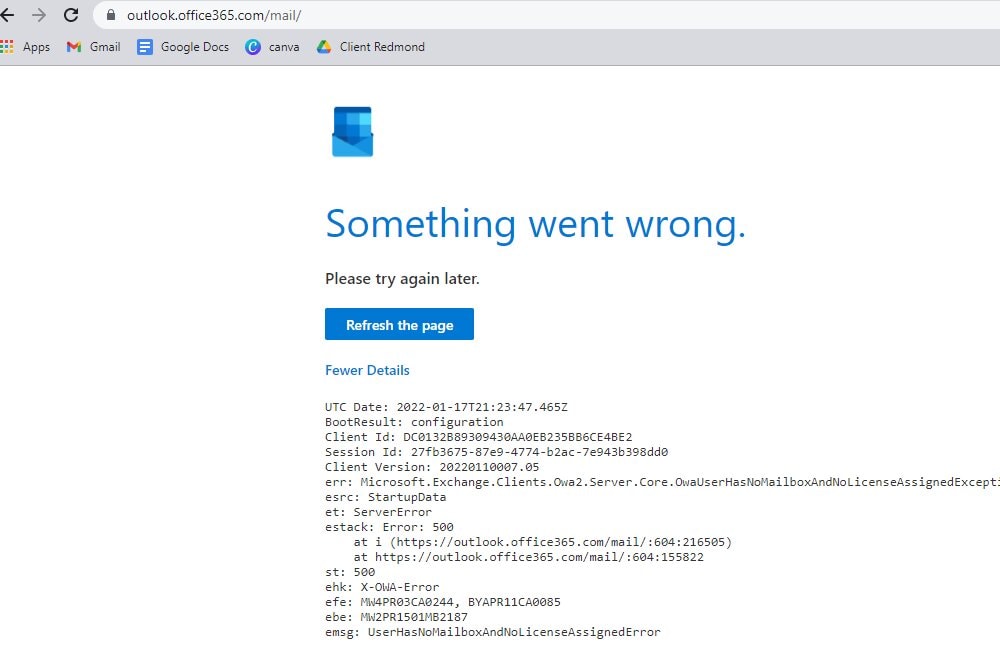
Outlook usually combines emails based on simple signals like subject lines, folders, and view settings. When one of those signals changes, messages that belong together start showing up as separate items, even when the content feels connected.
What to Check First
Common Causes and Quick Fixes
Once these adjustments are applied, grouped messages behave predictably across folders and views. The final section addresses common questions about combining emails across accounts and devices.
Yes. Outlook allows you to connect multiple email accounts inside one interface. You can view messages from different accounts together, but merging them into one single message still requires using Forward as Attachment.
Add each account under Account Settings, then enable a unified inbox view if available in your version. In the Outlook app, this groups incoming mail from all connected accounts into one combined inbox view.
No. Conversation grouping depends on subject lines and folder settings, not on how many accounts you have connected. New emails will group correctly if conversation view is enabled.
Yes. Use rules to move incoming emails into specific folders, or rely on unified inbox view to see them together without moving them manually. If you also work in Gmail, you can mirror this structured approach by using Gmail tabs to organize your inbox.
Yes. Enable conversation view to group related messages into one thread. This displays emails together without creating a new email or adding attachments.
Choose the method that fits your goal, whether that means sending one single message, viewing a clean thread, or saving a PDF for documentation. Apply it consistently so your workflow stays structured.
Once you understand how to combine emails in Outlook, you control the conversation instead of chasing it. Small structural changes lead to smoother communication from this point forward.